Growing Industry: Mass Production and A Shifting Workforce
From the late 19th into the early 20th century, new emerging funeral professionals and businesses spread throughout East Tennessee, especially in major cities and county seats. While many writers on Southern Appalachian funerals focus only on community- and artisan-led practices, sometimes downplaying the growing “professional” funeral industry, this emerging industry greatly diversified funerary practices in the region.
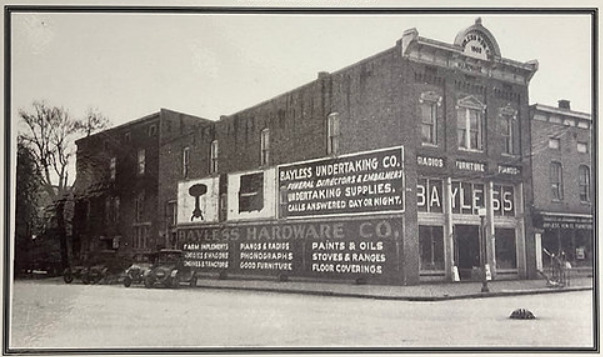
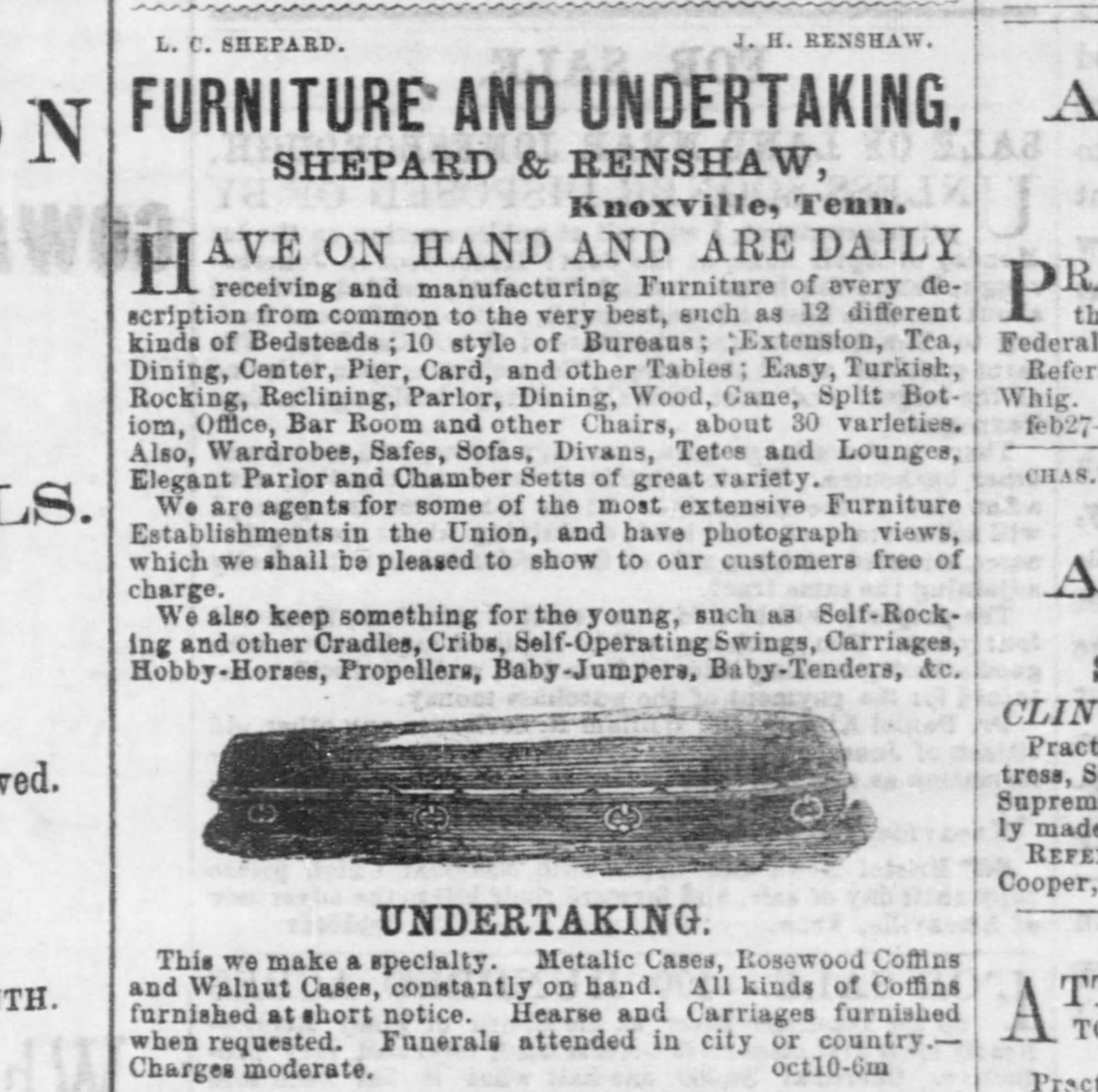
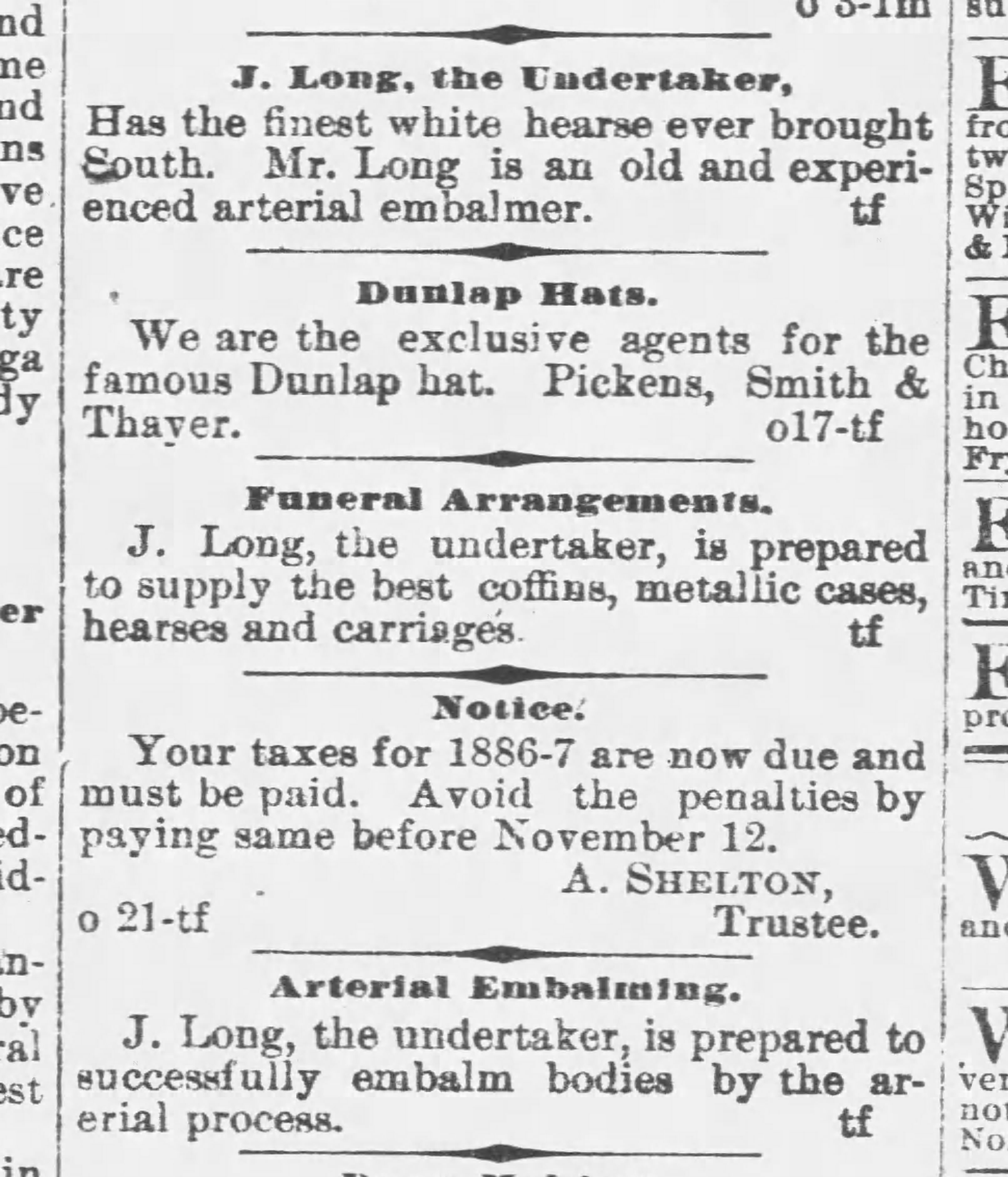
Some artisan undertakers gradually added a wider range of funerary offerings, like embalming. Advertisements from the period reflect this evolution, showing artisans promoting both their traditional craft and their growing undertaking services. Over time, some even shifted to focus entirely on funerary work, leaving their original trades behind.
These professionals became some of the first permanent, solely undertaking-focused businesses in East Tennessee. By the turn of the century, the region contained a wide range of artisan and professional undertakers, with undertaking firms and funeral homes beginning to populate the more urban areas of the region.
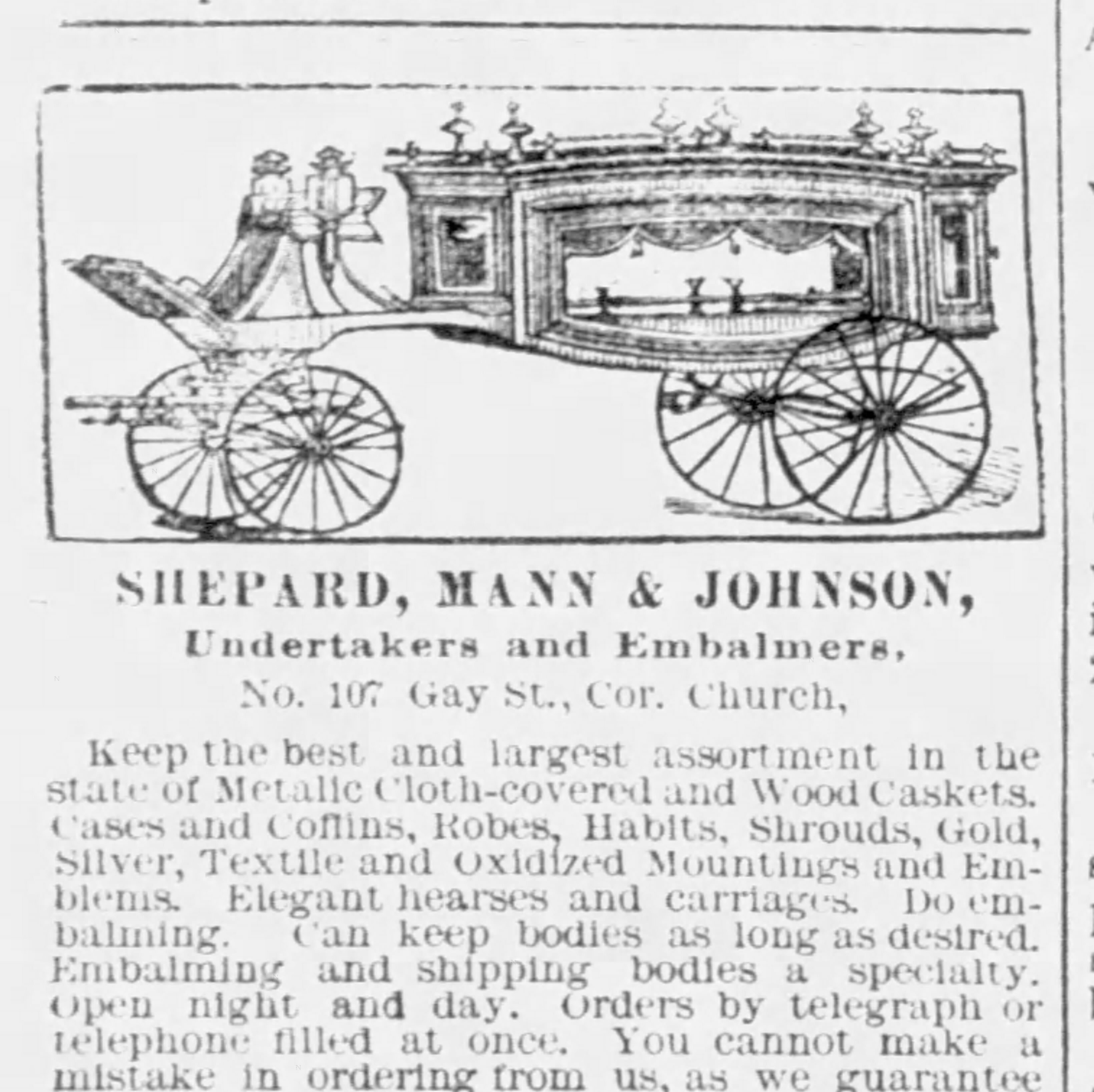
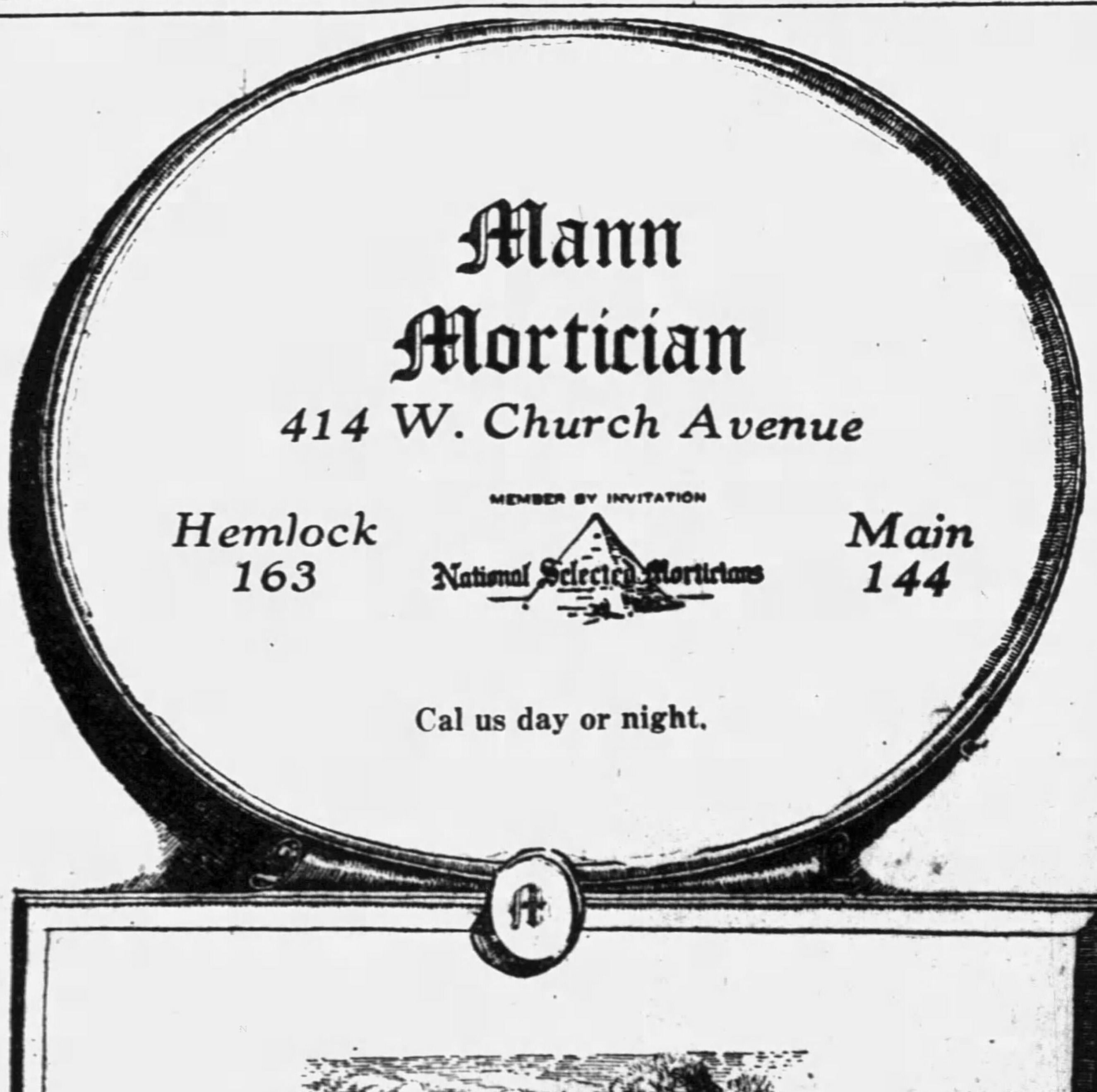
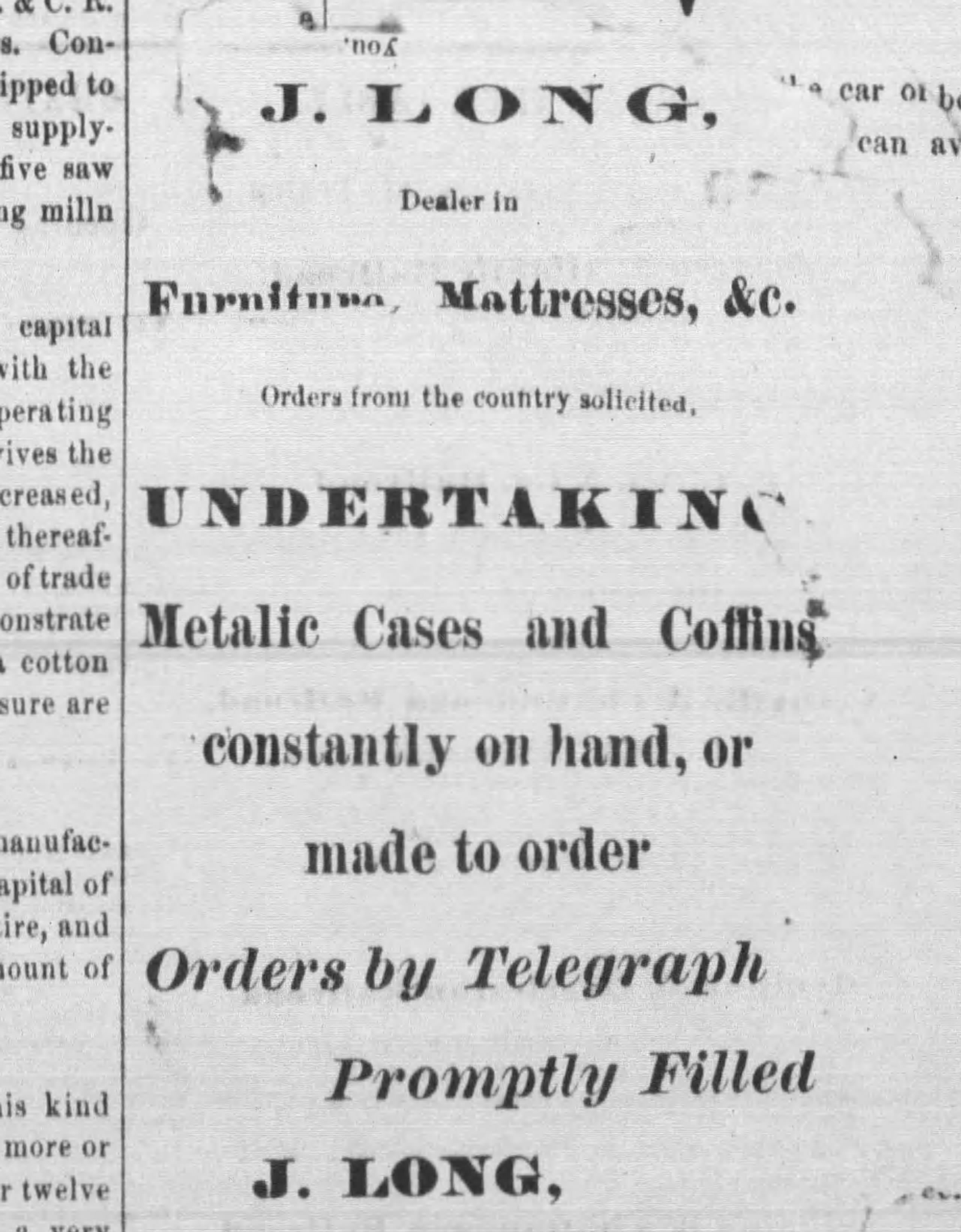
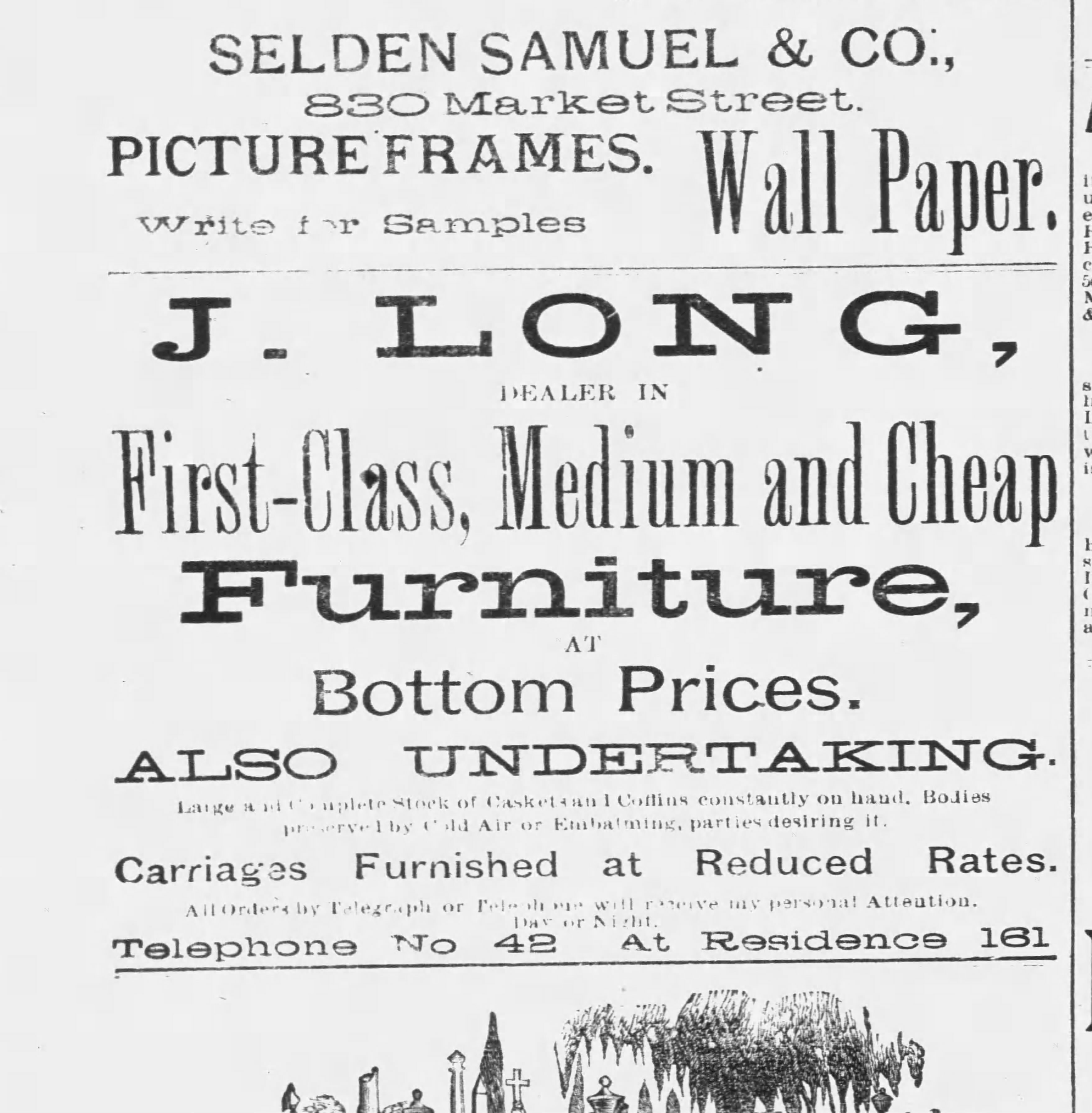
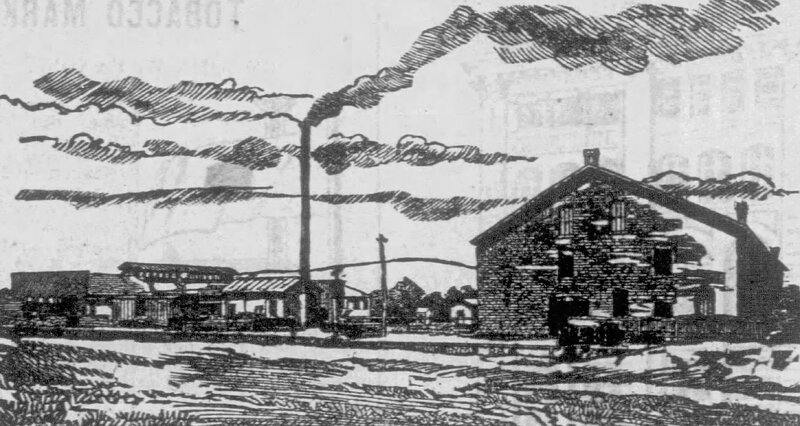
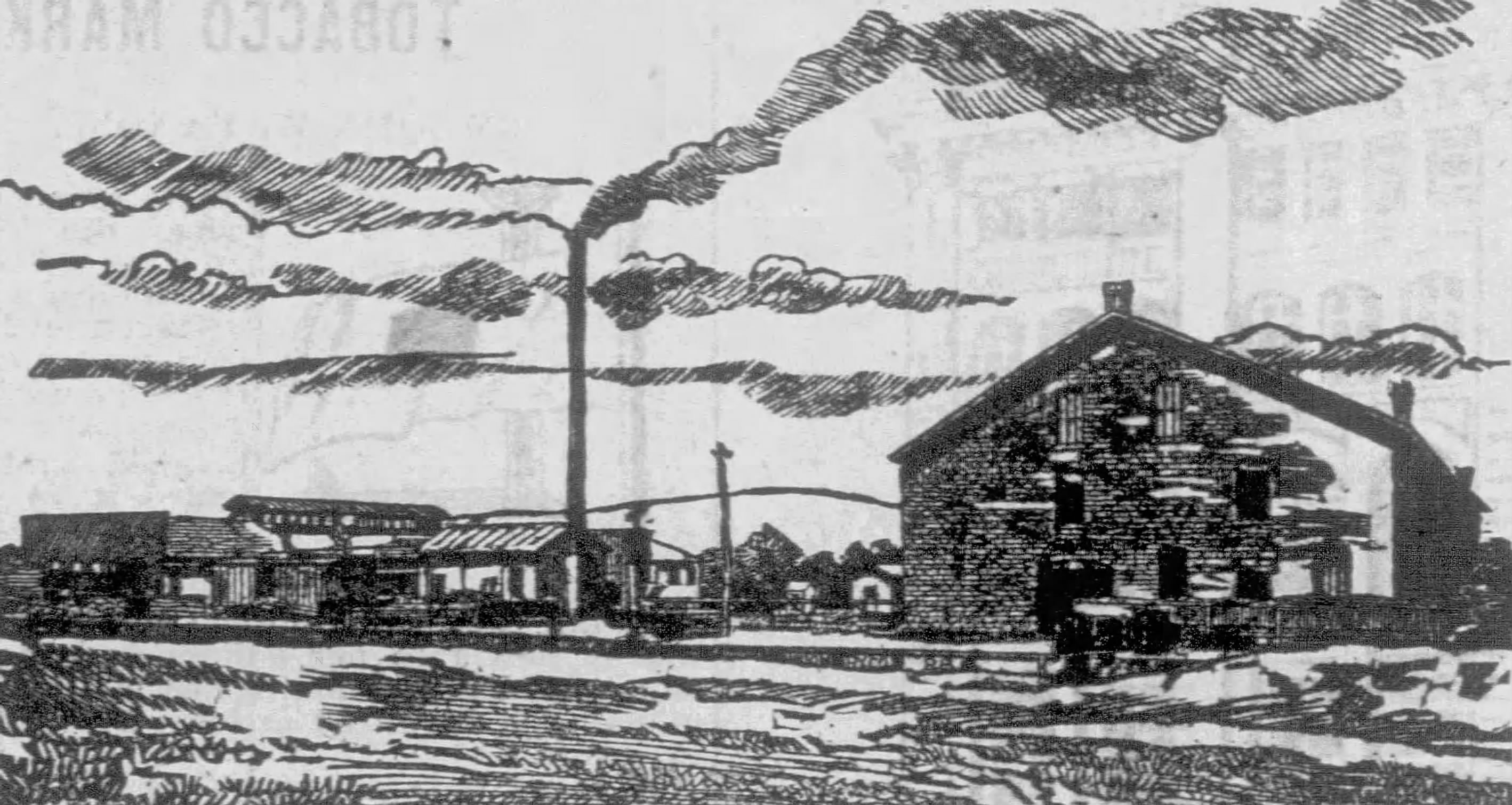
Beyond funeral homes and undertaking firms, other funerary businesses began to develop in East Tennessee. By the late 19th century, coffin and casket companies, dedicated to the manufacture and sale of coffins and caskets to funerary businesses, began to appear across the United States. In East Tennessee, these businesses developed in both major urban centers, such as Chattanooga, Cleveland, Maryville, and Knoxville, as well as some rural areas, such as Thomas Hurst's coffin factory in the railroad community of Lone Mountain in Claiborne County.
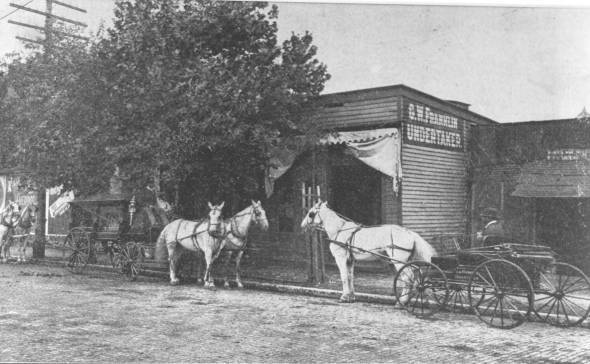
In the early 1900s, an increasing number of people of color began working in the funerary industry in East Tennessee’s cities. Census records from Hamilton, Knox, and Washington counties between 1900 and 1920 show that Black East Tennesseans held various roles in the deathcare industry, including undertakers, hearse drivers, and laborers. African Americans also built and ran their own funeral businesses across the region.
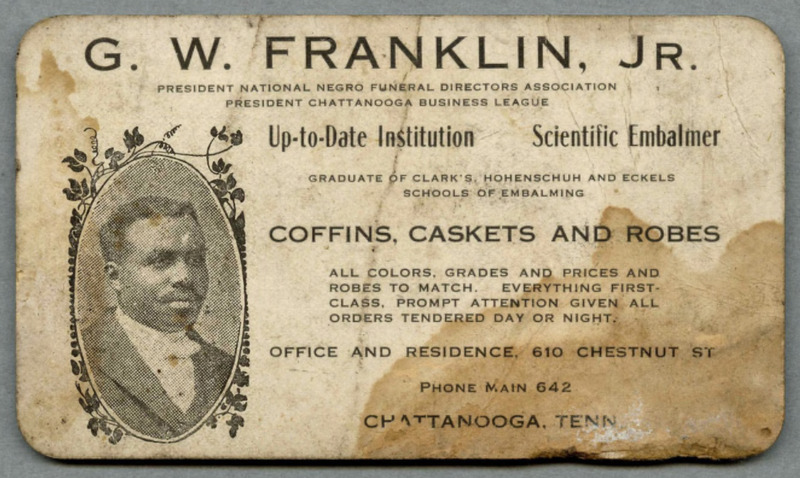
One example is George Washington Franklin, who established his own successful undertaking business.
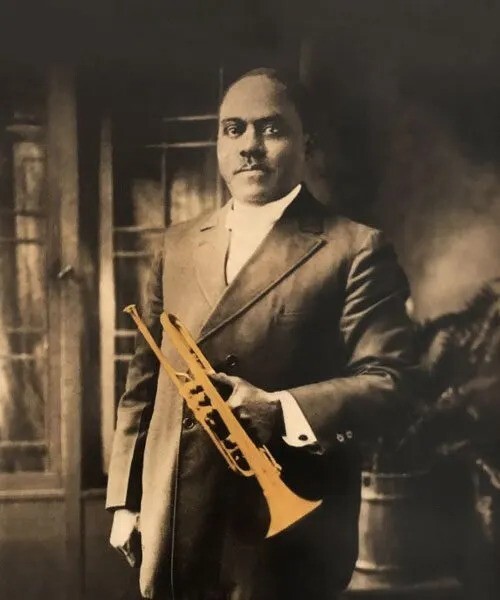
George Washington Franklin (1865–1928)
George Washington Franklin, Jr., born in Quitman, Georgia, was an entrepreneur who operated several businesses, which included an undertaking firm. In 1894, he moved his funeral business to Chattanooga, becoming the city’s first African American funeral director and embalmer and one of the first in East Tennessee.
Franklin earned a contract with Hamilton County to provide burials for people who could not afford them. This work, however, sparked public controversy. Articles in the Chattanooga Daily Times accused Franklin of burying paupers without clothing in 1912, focused on the burial of a White woman.
When the accusations were later proven false, and the newspaper printed a retraction, stating...

Franklin is a thoroughly humane and responsible man and has given more general satisfaction than any other undertaker has ever done in carrying out his special contract; that he does not "strip paupers of their clothing, burying them nude," but that on the contrary he gives them decent interment even when they come to him nude…
Read full article...