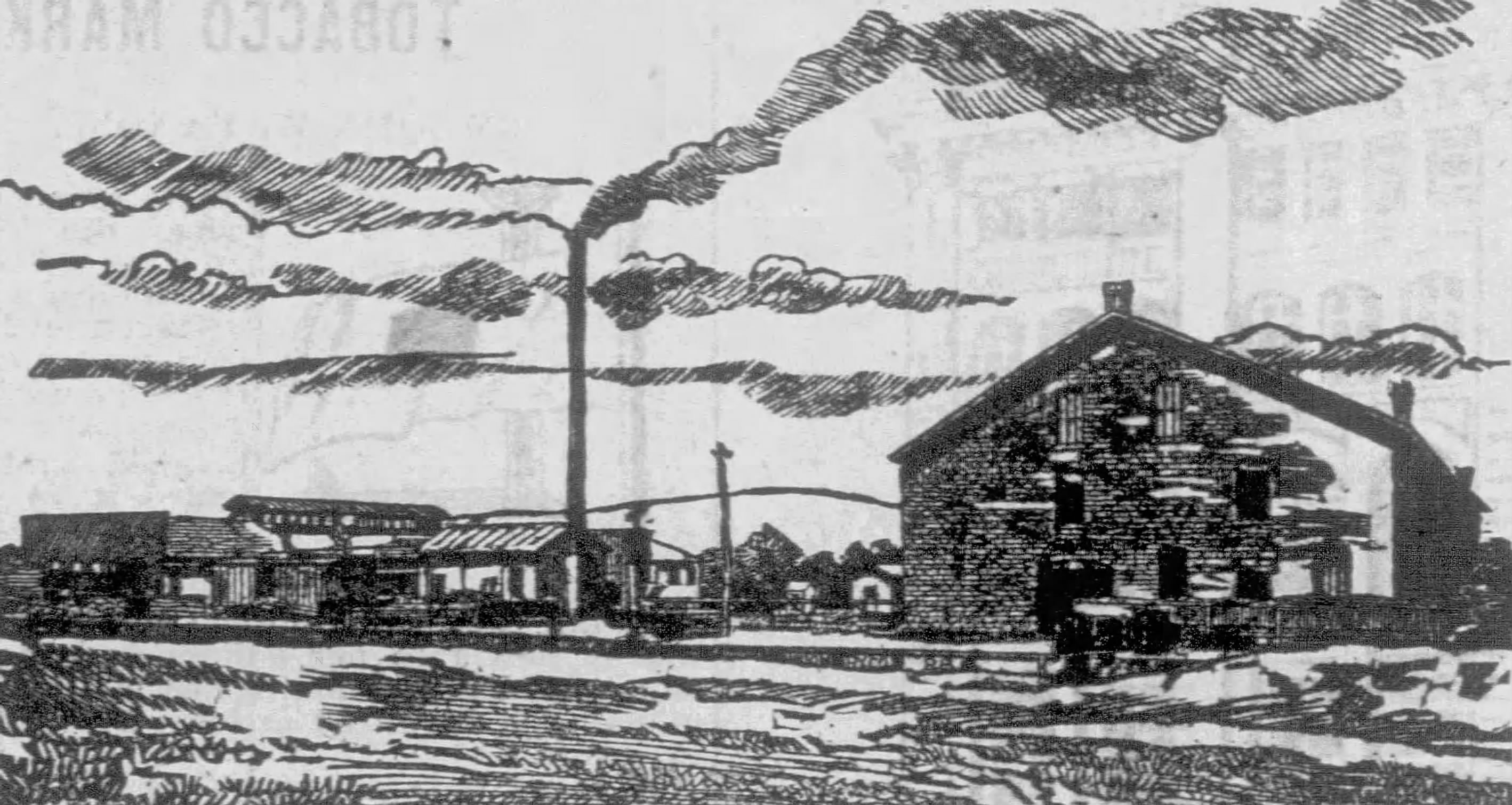
New Goods and Services: How New Technologies Shaped Funerals
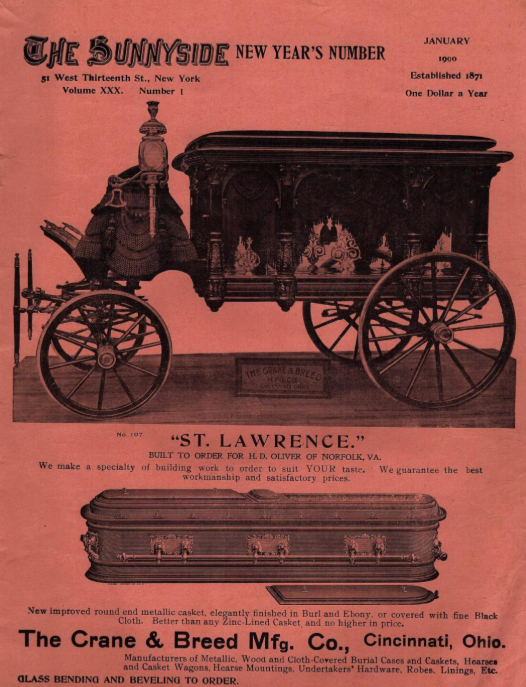
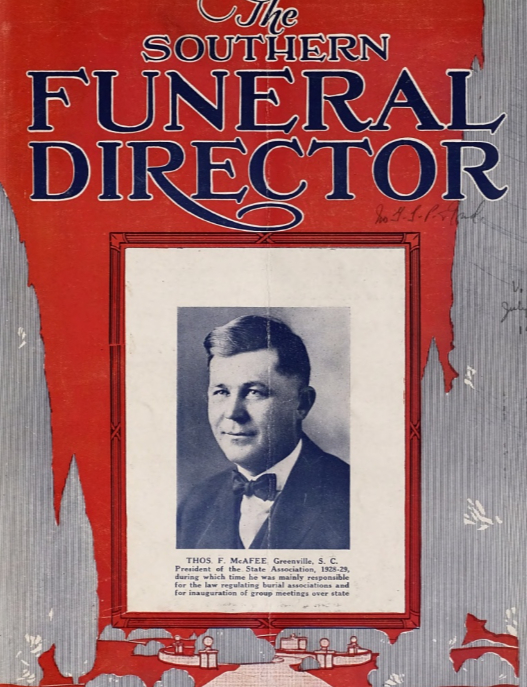
The growth of the industry between the late 19th and early 20th centuries, from new technologies, organizations, laws, and professional standards, drastically changed what was available to communities in East Tennessee. During this time, trade journals and magazines focused on the funeral industry began to appear. These publications allowed funeral professionals to communicate with one another and learn about new products and services they could buy and offer to their clients.
Publications such as The Sunnyside and The Southern Funeral Director, shown to the left, showcased the latest equipment, products, and developments in the field for undertakers, embalmers, and funeral directors. While the advertisements alone do not tell us exactly what every professional chose to use, they show the ideas of “professional standards” that were beginning to take shape.
Below are some of the products and services commonly featured in these professional publications during the early 20th century, showing the shift from mostly artisan-led funerals toward more commercial funeral services.
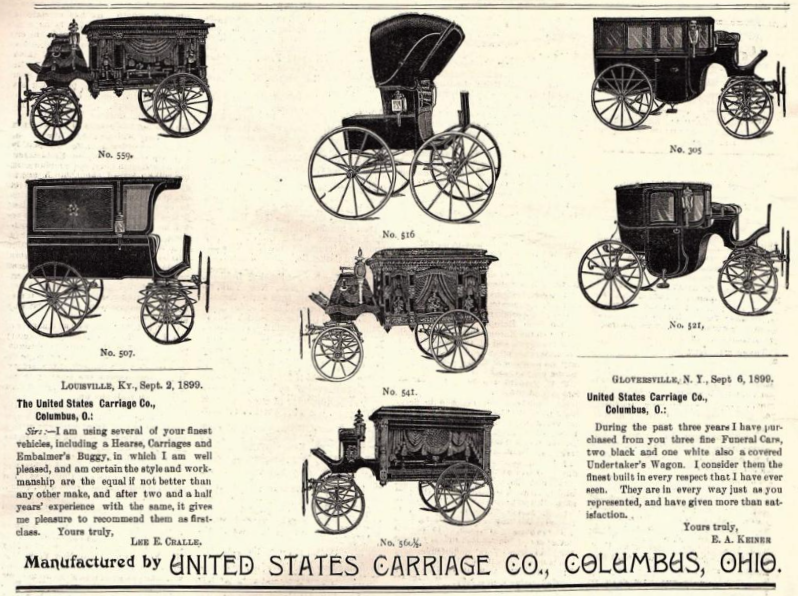
Horse-Drawn Hearses
By 1900, most undertakers and funeral businesses in the United States used horse-drawn hearses and wagons to move the dead. These vehicles made it easier to take the deceased to cemeteries that were far from home. They could also showcase a family’s wealth, since special hearses were typically only for people who could afford them.
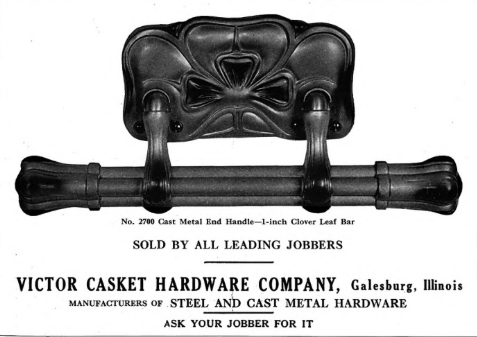
Metal Hardware
Hardware—such as handles or decorative pieces—could be added to a wooden burial case to make it easier to carry and to give it a more finished, personal look. Earlier historians used hardware to distinguish artisan coffins from commercial ones, but as Access, Adoption, and Hesitation shows, access to these services was far more nuanced in the region.
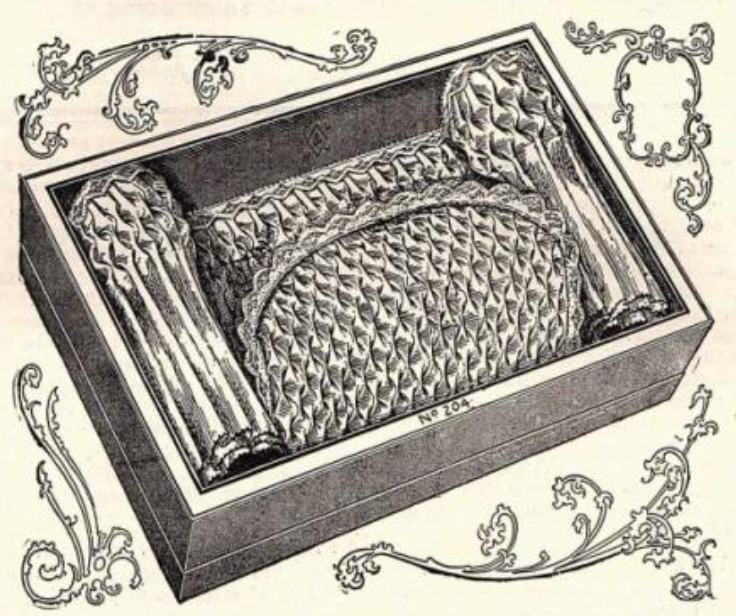
Casket Trimming
Trimming—or the cloth lining inside a coffin—was added to a finished wooden burial case that was either handmade by an artisan or produced in a factory. Trimming helped create a more “finished” and comfortable look. As death came to be described in gentler terms like “at rest,” trimming with added padding and pillows also became more common.
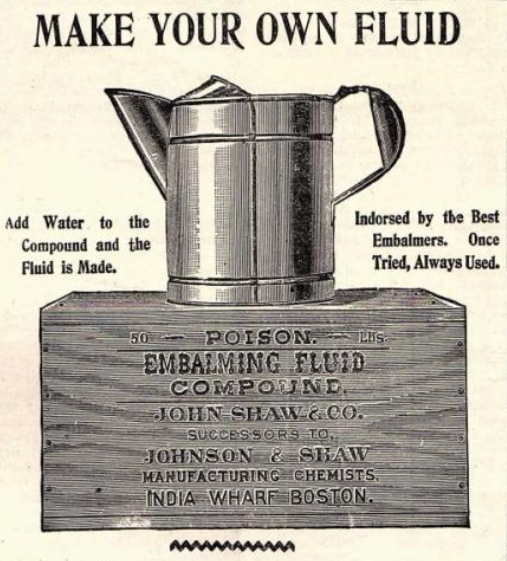
Embalming
Embalming changed funerals by slowing the body’s decay, allowing families who could afford the service to hold open-casket funerals and extend the period between death and burial. As the 20th century continued, embalming became more standardized, with stricter training requirements and increased licensing for embalmers.
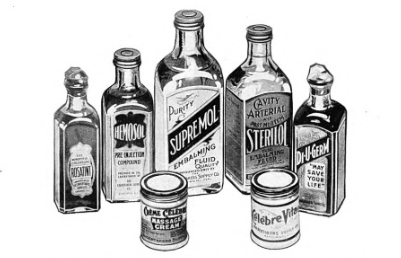
Cosmetics
By the 1920s, embalming had become increasingly focused on cosmetics and the presentation of the body. Embalming kits, such as "The Famous Seven," included both embalming, disinfecting, and preservative fluids, as well as various forms of mortuary makeup to "restore" the body for display at the funeral.
Burial Vaults
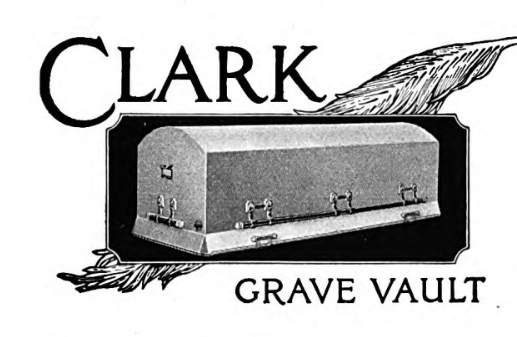
Burial vaults protected coffins and kept graves from collapsing by serving as an extra layer between the coffin and the earth. These vaults ranged from wood to concrete to metal, depending on what families could access. By the early 20th century, metal vaults were still costly, but mass-produced models in the 1930s made them more accessible to the public.
Motorized Hearse
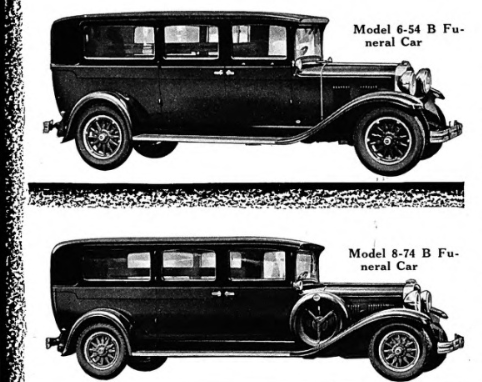
By the 1920s, motorized hearses started to replace horse-drawn ones across the United States. While trains had previously been used to move bodies long distances, motorized hearses gave funeral homes more flexibility to transport people across counties and states, especially in more rural areas, as is seen in Access, Adoption, and Hesitation.
Metallic Caskets
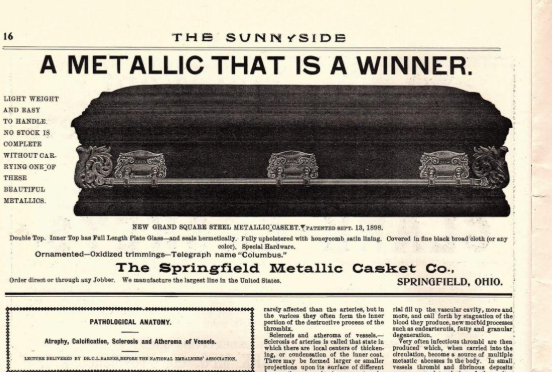
By 1900, full metal caskets were still very expensive, and only wealthy families in East Tennessee could afford them. So, to be buried in one was often a sign of status and wealth. Although companies like the Springfield Metallic Casket Company were already producing metal caskets at this time, they did not become widely used until after World War II.